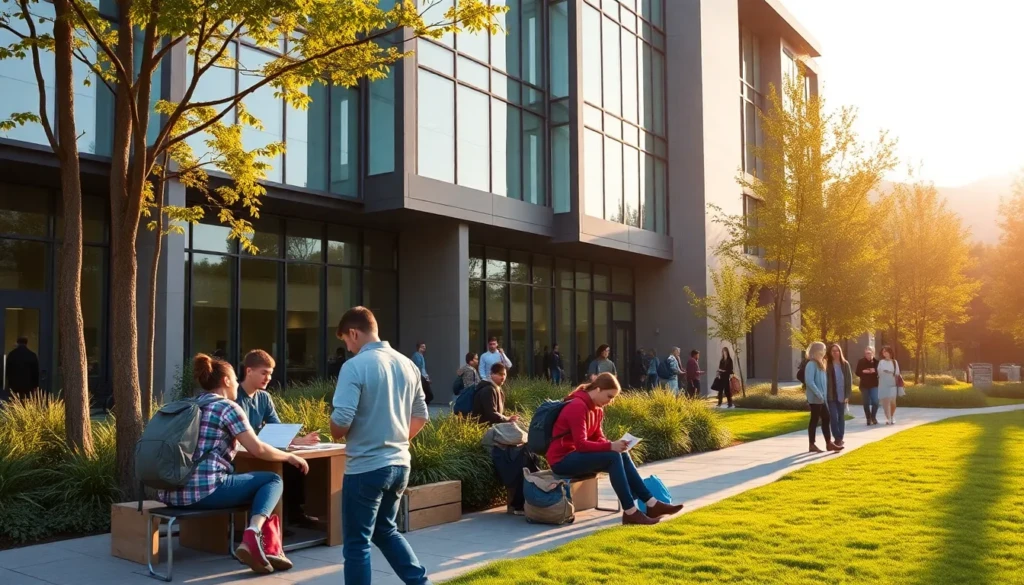
The University of British Columbia acceptance rate is a key factor for prospective students. With fluctuating numbers and varying admission requirements, many applicants feel uncertain about their chances of acceptance, especially when balancing academics and extracurriculars.
What is the University of British Columbia acceptance rate?
Finding the exact University of British Columbia acceptance rate can be confusing. Acceptance rates vary across sources, with estimates ranging from 52% to 65%. Knowing this rate is crucial for prospective applicants, as it helps set realistic expectations and determine how they can strengthen their applications. If you’re looking for a breakdown of the acceptance rates and what contributes to them, check out College Transitions’ detailed data. In an effort to reduce uncertainty, it’s important for students, particularly from India, to understand more than just a number; they need to learn about the admission factors that UBC values.
What factors influence acceptance at UBC?
Several factors influence acceptance into UBC, including GPA, program competitiveness, and international student criteria. Applicants must consider the specific requirements for their chosen major, as some programs are significantly more competitive than others. Aiming for clarity in these areas helps applicants tailor their profiles effectively. For a comprehensive overview of the university, check this authoritative resource from Niche: Niche’s overview of UBC.
Understanding these elements will help applicants navigate the complexities of the UBC admissions process and set them up for success.
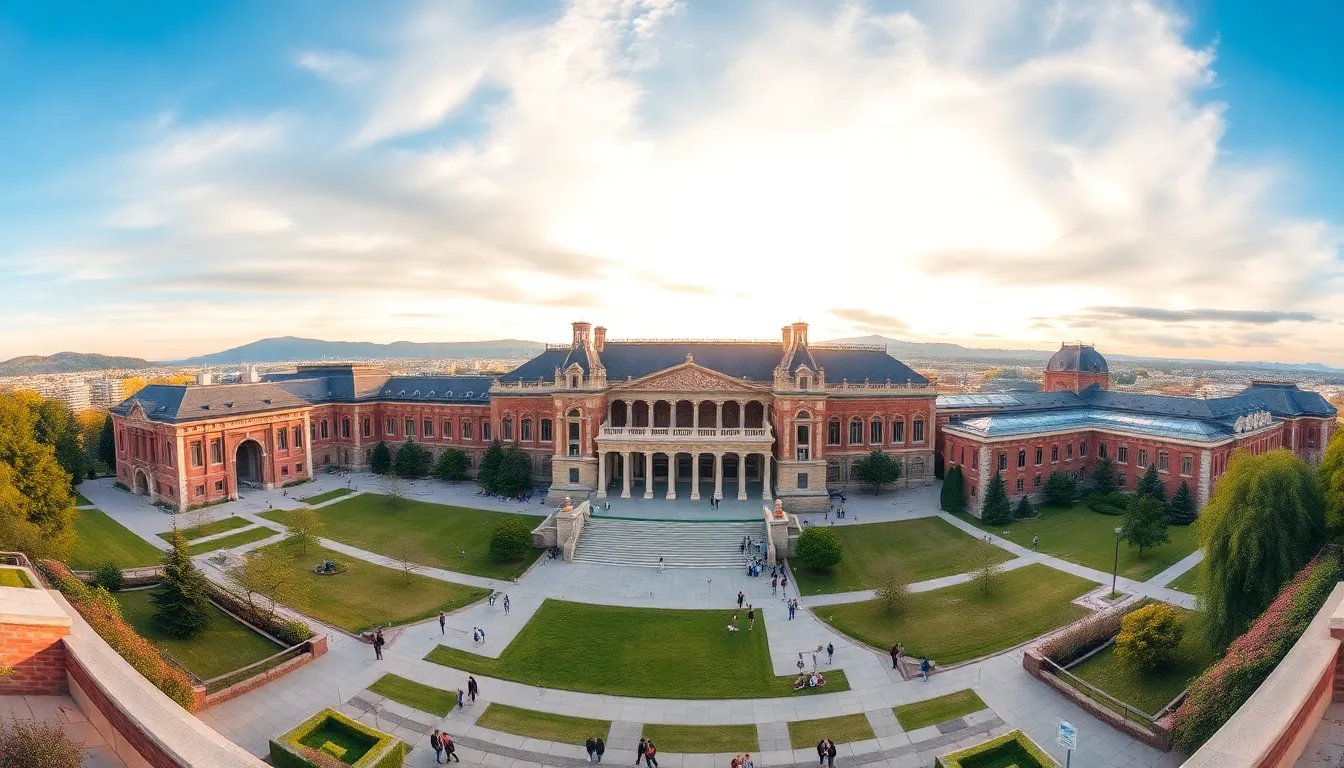
What are the details behind the acceptance rate at UBC?
The university of british columbia acceptance rate floats between 52% and 65% depending on the year, campus, and applicant pool. The Vancouver campus is more competitive than the Okanagan campus, and international students face a tighter squeeze than domestic ones. Programs like computer science or engineering can dip well below the overall average, while some arts streams sit closer to 70%. Reddit users tracking the 2024/2025 cycle quote an overall 63% offer rate with domestic applications jumping from 27k to 32k and 2,500 extra seats added to meet demand. For real-time student chatter and stats, skim this thread: UBC 2024/2025 acceptance discussion on Reddit.
How does acceptance vary by program?
1. Check the program page first. Engineering, computer science, and business pull the rate down; gender studies, forestry, and some arts majors nudge it back up.
2. Domestic vs. international split matters. A 90% average may secure a domestic student a spot in civil engineering, but an Indian student often needs 92–94% in CBSE or ISC to be safe.
3. Review the supplementary application. Sauder School of Business and the B+MM dual degree ask for video questions and timed essays—your speaking confidence counts as much as grades.
4. Factor in seat increases. UBC added 2,500 new first-year places in 2024, softening some programs by 2–3%.
5. Use scholarships as a signal. If a program lists major entrance awards, expect tighter competition. Our internal list of top scholarships for Indian students can help you target the right ones: Top scholarships to study abroad for Indian students.
What are GPA and SAT requirements?
UBC publishes minimums but not cut-offs. For Indian board students, competitive programs usually equate to:
- 85–90% for most Arts, Forestry, and Land & Food Systems.
- 90–94% for Engineering, Computer Science, and Science.
- 92–96% for Sauder Business.
- Start with a program shortlist. Pick one reach, one target, one safety across different faculties.
- Tailor your Personal Profile—UBC’s mandatory essay set. Use concrete examples (robotics project, rural internship, art exhibition).
- Show impact beyond grades. Leadership in school clubs, sports captaincy, or a social-impact initiative all count.
- Sit for IELTS/TOEFL early. Many Indian applicants lose an offer because English scores arrive after the document deadline.
- Track scholarship deadlines. A funded seat is sometimes less competitive than an unfunded one because fewer applicants meet the extra criteria.
- International Scholars Program (full cost of study plus living stipend).
- Outstanding International Student Award (OIS) one-time CAD 10k.
- Affiliated Fellowships for grad-bound seniors.
SAT/ACT are optional for most UBC programs. If you choose to submit, aim for 1,350+ (SAT) or 29+ (ACT) to stay in the safe zone. Niche keeps a live GPA/SAT snapshot you can cross-check: UBC admissions data on Niche.
How to improve your acceptance chances at UBC?
Treat UBC like a portfolio, not a lottery. Combine strong academics with evidence you’ll add value to campus. Steps:
What scholarships are available?
UBC automatically considers all applicants for the International Major Entrance Scholarship (IMES) worth up to CAD 40k over four years—no separate application. High-achieving Indian students also compete for:
Final tip: apply by December 1 to be in the scholarship pool. College Transitions keeps an up-to-date list with dollar amounts and past winner stats: UBC scholarships and acceptance data on College Transitions.

Key takeaways for university of british columbia acceptance rate
The university of british columbia acceptance rate varies by year, campus, and program. Understanding this rate helps you set realistic goals and tailor your plan so you’re competitive where it counts. Keep in mind that the university of british columbia acceptance rate is a guide, not a guarantee, and it shifts with applicant pools and seat availability.
Think about where you fit best. Competitive programs like engineering or CS may push the rate down, while some arts or sciences tracks can sit higher. Your GPA, course rigor, and how you showcase impact beyond grades all matter as you tighten your target list. English proficiency, transcripts, and timely documents also influence outcomes for international applicants.
Actionable takeaways:
- Shortlist 1 reach, 1 target, and 1 safety program across Vancouver and Okanagan to balance risk and opportunity.
- Build a strong profile: academics, projects, leadership, and relevant experiences that align with your chosen program.
- Plan your timeline early, including language tests, transcript reviews, and scholarship deadlines.
- Use scholarships strategically; tailor applications to programs with available awards.
- Compare cost and scholarship options across sources to plan effectively (see our cost-focused guide for Indian students).
If you’re looking for cost-conscious study-abroad ideas, our guide on affordable destinations for Indian students is a helpful next step: https://afbf.in/blog/cheapest-countries-to-study-abroad-for-indians/
FAQ for university of british columbia acceptance rate
H3 – What is the current acceptance rate for UBC?
Answer: The rate isn’t fixed. Estimates typically range from the low 50s to mid‑60s, with variations by campus and program. For a quick verification, see Niche’s UBC overview: https://www.niche.com/colleges/university-of-british-columbia/.
H3 – What GPA do I need to get into UBC?
Answer: There aren’t universal cutoffs. Competitive programs for Indian applicants often look for strong percentages, roughly in the 85–90% range for many arts and sciences tracks and 90–94% for engineering or CS. For benchmark data, check College Transitions: https://www.collegetransitions.com/blog/university-of-british-columbia-ubc-acceptance-rate/.
H3 – Are there scholarships for Indian students at UBC?
Answer: Yes. There are several scholarships and awards specifically or widely available to international students, including options that Indian applicants can pursue. A practical overview is available through Niche’s UBC page: https://www.niche.com/colleges/university-of-british-columbia/.
H3 – Do SAT/ACT matter for UBC?
Answer: Most programs at UBC don’t require them, but submitting strong scores can help in some competitive cases. If you take them, aim for top percentile performance and align with your program’s expectations. See Niche for admission data and testing context: https://www.niche.com/colleges/university-of-british-columbia/.
H3 – How can international students boost acceptance chances?
Answer: Focus on academics, clear motivation for Canada, and well-documented transcripts. Plan ahead for English testing, visa timelines, and scholarship deadlines to stay in the running. See College Transitions for a practical look at the acceptance landscape: https://www.collegetransitions.com/blog/university-of-british-columbia-ubc-acceptance-rate/.
Closing thought: with a grounded sense of the factors shaping the university of british columbia acceptance rate, you can craft a thoughtful, well-timed application that plays to your strengths—and move forward with confidence.