Figuring out where to study in Europe on a budget isn’t about chasing the cheapest city; it’s about balancing tuition, living costs, and the visa process. If you’re wondering the cheapest countries in europe to live in, you’re not alone. This guide cuts through the noise with practical numbers and real student stories.
What is the cheapest country in Europe to live in?
Budgeting for study abroad isn’t just about tuition. For Indian students, the key decision is how affordable daily life is alongside visa timelines and language hurdles. The cheapest country in europe to live in may offer low rents, but you still need to factor groceries, transport, health coverage, and the upfront costs of visas. This guide gives you a practical framework: break down rents, food costs, and insurance, weigh safety, and add visa fees into a realistic monthly budget. It also helps you see where quality—like accredited programs, language options, and campus facilities—meets price, so you don’t have to choose between cost and graduation outcomes.
Beyond price, value matters. We’ll pair-country comparisons with compact city snapshots and a simple “Student Affordability Index” you can apply to any destination. Expect clear metrics, real-world examples from Indian students, and tips to trim costs without skipping essential services. You’ll also find pointers on scholarships, housing options, and the visa process that often decide whether a budget scenario remains realistic.
Ready to compare numbers? In the sections that follow, you’ll see country rankings, cost breakdowns, and practical planning tools—including a downloadable budget planner linked here. This is your starting point to determine not just the cheapest option, but the smartest one for your field of study and future plans.
Key Factors Influencing Cost of Living in Europe
Rent, food, transport, and insurance swing wildly across Europe. The cheapest country in europe to live in balances low daily costs with good services and safe streets. For Indian students, three forces shape the real price tag: city size, currency exchange, and student discounts. A 2-bed flat in Krakow averages ₹16 k, while the same setup in Paris tops ₹60 k. Groceries follow the same pattern: a month of food in Sofia costs ₹6 800, less than half of Munich. Knowing these gaps keeps your budget honest and your visa plan on track.
Living Expenses Breakdown
| Expense | Krakow (₹) | Sofia (₹) | Budapest (₹) |
|---|---|---|---|
| Shared flat (per room) | 16 000 | 13 000 | 17 000 |
| Groceries (month) | 7 500 | 6 800 | 7 800 |
| Metro pass (month) | 1 400 | 1 200 | 1 000 |
| Indian mess lunch (per plate) | 250 | 220 | 280 |
-
- Rent: Book early through Erasmus groups; listings vanish by May.
-
- Food: Shop at open-air markets on Saturdays—prices drop 15% after 11 a.m.
- Transport: Student discounts cut metro passes by 50%. Carry ISIC card.
For a full country ranking, see AFBF’s cheapest European country to live in 2025.
External data: Numbeo cost of living
Education Costs for Indian Students
Public universities in Poland teach in Polish for free; English-taught degrees run ₹2.8 lakh per year. Bulgaria and Romania keep fees low—medicine in Plovdiv costs ₹3.2 lakh yearly, still cheaper than Indian private colleges. Hungary’s Stipendium Hungaricum covers tuition plus ₹1.3 lakh stipend—competitive but worth the essay effort.
| Country | Tuition (₹/yr) | Visa fee (₹) | Part-time hours allowed |
|---|---|---|---|
| Poland | 0–2.8 lakh | 6 100 | 20 h/week |
| Slovakia | 1.8 lakh | 6 100 | 20 h/week |
| Bulgaria | 2.5 lakh | 6 100 | 20 h/week |
| Romania | 2.7 lakh | 6 100 | 20 h/week |
| Hungary | 0 (stipend) | 6 100 | 20 h/week |
Need global comparisons? Check cheapest countries to live in 2025 for Indian students.
External link: Study in Europe official portal
Safety and Lifestyle Considerations
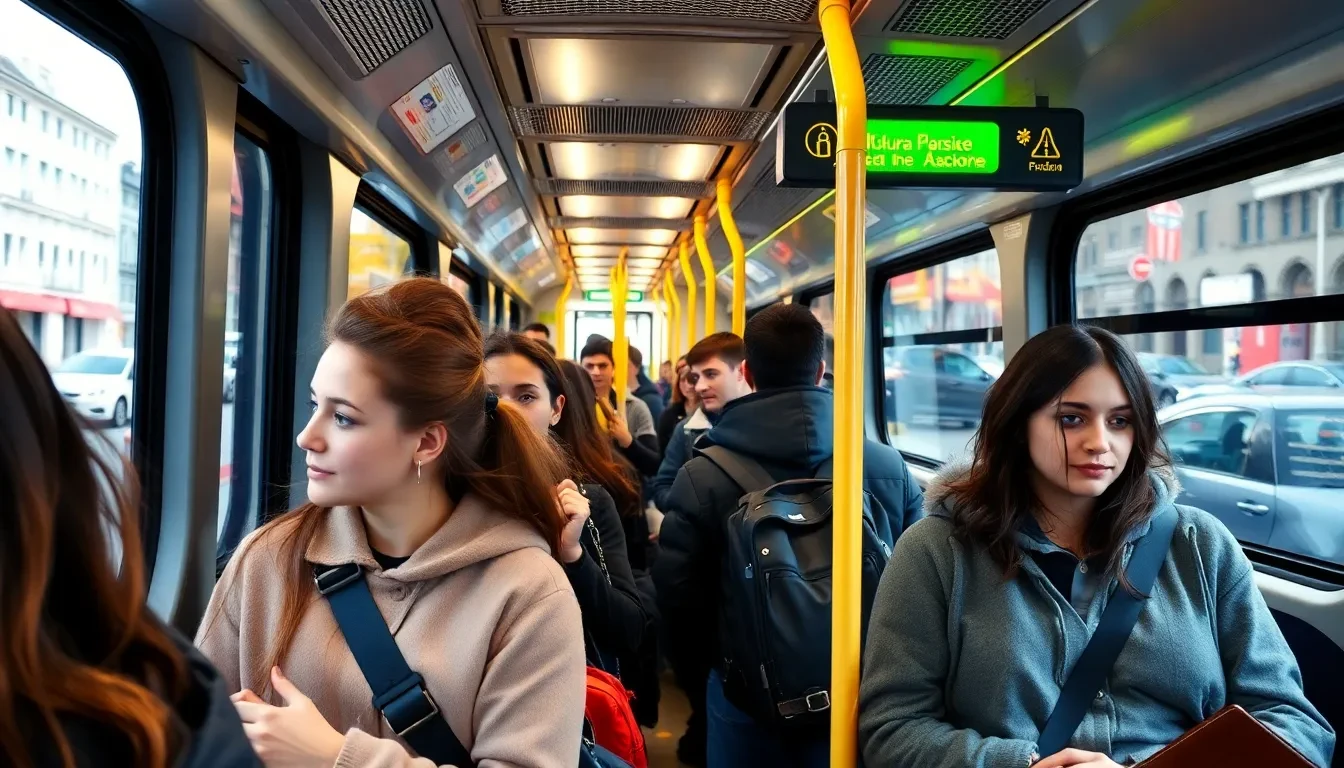
Europe is generally safe, but scores differ. Poland and Slovakia rate 8.5/10 on the Global Peace Index; Bulgaria holds 8.2/10. Stick to well-lit tram stops after 10 p.m. and save local emergency numbers—112 works everywhere. Health insurance is mandatory; Indian provider Bajaj Allianz offers a Schengen student plan at ₹23 k per year accepted during visa.
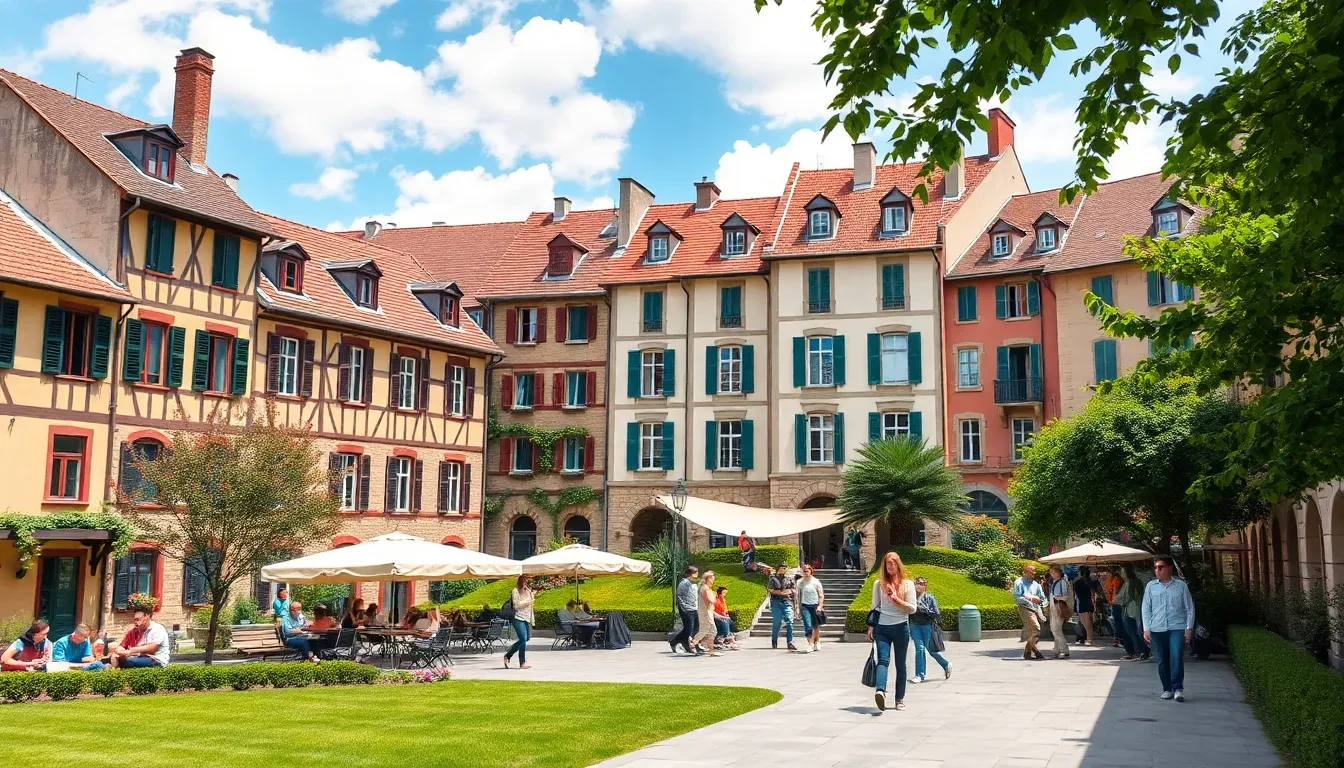
Social life is student-friendly: Krakow’s Old Town pubs give Erasmus discounts, Sofia parks host free summer concerts, and Budapest ruin bars charge ₹400 for a pint. Learning ten local phrases unlocks cheaper market prices—vendors appreciate the effort and often round down totals.
External links:
Global Peace Index map
Erasmus Student Network — find local buddy groups before you land.
Use these metrics to pick a city that fits your wallet and comfort zone, then plug the numbers into the budget planner to lock in your plan.
What should Indian students know about living costs in Europe?
Understanding the affordability picture helps you pick a route that balances price, quality, and safety. When you ask about the cheapest country in europe to live in, it’s practical to compare not just rent, but also tuition, health coverage, and visa costs. In many cases, the cheapest country in europe to live in still offers solid universities and student life, so you don’t have to trade learning quality for a lower price.
Across the top affordable countries—Poland, Slovakia, Bulgaria, Romania, and Hungary—costs cluster lower than Western Europe, yet city size matters. A Krakow apartment or a Sofia student flat can keep monthly expenses manageable, while Paris or Munich will tilt the budget. This is where a country‑level view must meet a city‑level reality. For a deeper, year‑by‑year comparison, see our broader guide: cheapest european country to live in 2025.
Education costs and safety go hand in hand. Tuition in public universities is often modest in these nations, especially when programs run in local languages, but English‑taught options vary. Safety indexes in these countries are generally favorable for students, with reliable public transport and healthcare access. The choice isn’t merely cheapest rent; it’s a balance of affordable tuition, predictable living costs, and a welcoming environment for Indian students. For a quick snapshot of costs and safety, you can also compare with our linked resources.
Soft next steps: if you’re mapping a plan, start with our detailed articles and downloadable resources. They’ll help you test budgets cell by cell and see how different cities stack up. The next-step resource is a downloadable budgeting checklist and a side‑by‑side comparison tool you can use right away. For a broader, India‑focused lens on study options in Europe, see our guide on study in europe for free for indian students. This hub links to scholarships, housing, and practical tips to help you move from curiosity to a concrete plan. Internal: https://afbf.in/blog/study-in-europe-for-free-for-indian-students/
FAQ for cheapest country in europe to live in
What are the cheapest countries in Europe to live in?
Poland, Slovakia, Bulgaria, Romania, and Hungary usually top the list. Costs vary by city, but even capitals tend to be friendlier on a student budget than many Western European capitals.
How much should Indian students budget for tuition in these countries?
Tuition can range from near zero in some public programs (if you study in the local language) to about ₹2–3 lakh per year for English‑taught options. Scholarships and grants can cut that further, so always check university pages and government programs.
Can Indian students work while studying?
Yes, many of these countries allow part‑time work during terms, typically around 20 hours per week, with higher limits during breaks. Your visa type and the university rules will guide your actual hours.
Are these countries safe for Indian students?
Safety varies by city, but overall these destinations score well on safety indices and offer reliable public transport and healthcare. Use local student networks to stay aware of neighborhood specifics.
How should I approach budgeting for Europe?
Start with a core budget: rent, groceries, transport, health insurance, and visa fees. Then layer in tuition, optional English‑taught courses, and a small buffer for emergencies. Our budgeting checklist and the downloadable comparison tool make this process practical and straightforward.
Click on the link below and fill up the Google Form, it will take you 2-3 mins. And we will reach out to help you with your study abroad dreams. Don't worry, it's free & there are no hidden charges.
AFBF Join Us Form