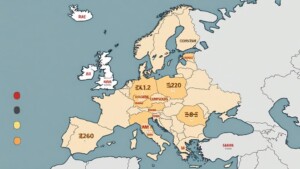
Indian retirees face rising living costs and uncertain pension trails when planning life abroad. This guide asks one core question: what are the cheapest countries retire? We’ll map out budget ranges, healthcare access, and visa basics, all grounded in real experiences from Indians who’ve chosen affordable destinations to call home. Let’s explore practical options.
What are the cheapest countries to retire abroad?
Indian retirees often pin higher costs on the agenda, from rent to healthcare, making budget planning essential. When we talk about the cheapest countries retire, we’re not just chasing low prices—we want stable incomes, friendly visa rules, and reliable healthcare. This guide highlights destinations that balance affordability with quality of life, based on real-life stories from Indian retirees who’ve made the move.
This isn’t a one-size-fits-all list. We’ll lay out practical budgets, monthly cost ranges, and the visa tracks that make long-term stays possible. We’ll also compare healthcare access and highlight cultural factors that affect daily life, like language and community support. By outlining typical rent, groceries, and medical costs in familiar currencies, you’ll get a clearer sense of what living abroad could feel like on a fixed retirement income. Expect comparisons across a mix of EU, Caribbean, and Asian options, with pros and cons tailored to Indian retirees.
To keep it actionable, the guide includes quick-start steps: how to estimate INR budgets, what documents you’ll need, and which authorities provide up-to-date visa guidance. We’ll pair success stories with practical tips so you can vet destinations without guessing. In the sections that follow, we’ll dive into 5–7 destinations, offering local cost snapshots, visa routes, and healthcare considerations.

Key factors to consider when retiring abroad
Picking the cheapest countries retire means looking past glossy brochures and into daily costs, visa rules, and cultural fit. Indian retirees often worry about two things: stretching the pension and staying close to family culture. The cheapest countries retire balance low rents, solid healthcare, and straightforward visa paths so you don’t burn savings on surprise fees.
Below we unpack the big three—money, paperwork, and lifestyle—using INR snapshots and real Indian retiree scenarios.
Cost breakdowns including housing, healthcare
Why INR matters
A $400 rent looks small until you convert it to ₹33,000 at today’s rate, add 5% forex fee, and see inflation creep. Listing prices in rupees keeps planning honest and avoids nasty shocks later.
Country snapshots (monthly averages for two people)
-
- Malaysia, Penang
Rent ₹24,000 | Groceries ₹11,000 | Public cover ₹2,200 | Private insurance ₹4,000 | Total ≈ ₹41,000
-
- Portugal, interior north
Rent ₹36,000 | Groceries ₹14,000 | Healthcare combo ₹5,500 | Total ≈ ₹55,000
-
- Latvia, Riga
Rent ₹28,000 | Utilities ₹8,000 | Groceries ₹12,000 | State insurance add-on ₹3,500 | Total ≈ ₹51,500
-
- Dominica, Roseau
Rent ₹30,000 | Groceries ₹15,000 | Private insurance ₹7,000 | Total ≈ ₹52,000
-
- Thailand, Chiang Mai
Rent ₹18,000 | Street food/grocery mix ₹10,000 | Outpatient plan ₹3,000 | Total ≈ ₹31,000
Tip: Use a 5% buffer for visa runs, currency swings, and flights home. If you’re still budgeting for kids’ college, compare study-abroad costs first: cheapest countries to study abroad for Indians.
Visa requirements for Indian retirees
Portugal
D7 Passive Income Visa: show ≈ ₹8 lakh yearly bank balance + 6-month savings trail, health cover, NIF tax number, one-year lease. Renewable, path to PR after 5 years.
Malaysia
MM2H 35-year visa: liquid assets ≈ ₹65 lakh, monthly offshore income ≈ ₹1.7 lakh, medical report from panel hospital. Fixed-deposit placement drops on approval.
Latvia
Residence by Investment: buy urban real estate ≥ €250 k or invest €50 k in a local firm. Clean criminal record, health insurance, proof of accommodation.
Dominica
Citizenship by Investment: donate US$100 k to Economic Diversification Fund or buy approved real estate ≥ US$200 k. No language test, processing ≈ 4 months.
Thailand
O-A Long-stay: be ≥ 50 years, bank deposit ฿800 k ≈ ₹19 lakh, police clearance, Thai insurance ≥ ฿40 k outpatient. Must report address every 90 days.
Money route unclear? Compare wider living costs in our 2025 cheapest countries guide.
Cultural and healthcare system comparisons
Malaysia
Multi-lingual English, Tamil spoken; Indian groceries easy to find. Public hospitals charge nominal fees; private hospitals in KL and Penang cater to medical tourists—cardiac surgery 60% cheaper than Delhi private rates.
Portugal
Warm to Indian community in Lisbon; catholic festivals familiar. Public SNS covers residents for basics; private hospitals offer faster queues, costs 40% less than UK. Expect siesta-hours bureaucracy.
Latvia
English fluency rising, but Russian still useful. Winters hit –10°C—factor heating bills. Public EHIC-style cover once resident; private clinics compete on price, MRI scan ≈ ₹7,000.
Dominica
Creole English, laid-back pace, small Indian diaspora. No public insurance pool—private care only. Serious cases fly to Barbados or Miami; keep evacuation cover.
Thailand
Buddhist ethos, spicy food overlap. Public hospitals cheap but crowded; private chains (Bumrungrad) popular with retirees, annual health check ≈ ₹6,000. See more Europe angles in our cheapest European country guide for Indians.
Helpful external links
Use these numbers and visa paths as your first shortlist filter, then visit for a scouting trip before you lock the cheapest countries retire that truly fit your pocket and lifestyle.

FAQ for cheapest countries to retire abroad
For Indian retirees, affordability is the compass when you think about the cheapest countries retire. This FAQ aims to clarify costs, visas, and healthcare so you can plan with confidence. And if you want a practical start, a step-by-step budgeting guide is just a click away through our INR‑based relocation resources.
What are the cheapest countries retire abroad?
Think of a mix: Southeast Asia, parts of Europe, and select Caribbean spots. Countries like Malaysia, Portugal, Latvia, and Thailand often come up as affordable options, especially when you translate costs into INR. The key is to compare housing, healthcare, and visa paths side by side, not just sticker price. For deeper budgeting angles, see our INR-based cost examples and country snapshots in our 2025 affordability guides. You can also cross‑check with our study‑abroad and living guides to understand how costs translate in real Indian budgets: and https://afbf.in/blog/cheapest-countries-to-live-in-2025/
What are the visa requirements for Indian retirees?
Most affordable destinations offer a mix of long‑term residence, retirement, or investment routes. Portugal’s D7, Malaysia’s MM2H, Latvia’s residence programs, or Dominica’s investment options frequently appear on practical checklists. Requirements typically include proof of funds, health insurance, a clean background, and a lease or housing evidence. Always verify current criteria on official portals, then map them to your Indian documentation. For a quick sense of typical tracks, see the visa summaries linked in our retirement guides.
How does healthcare vary in different countries?
Healthcare systems vary widely, which shapes your monthly budget and peace of mind. In many EU destinations, residents access public systems with affordable care, though private options exist for faster service. In island nations or emerging markets, private clinics and international insurance are common. When planning, factor routine care costs, emergency coverage, and potential long‑term needs like chronic care. For context, you can cross‑reference our European and Caribbean healthcare notes in related guides: https://afbf.in/blog/cheapest-european-country-to-live-in-2025-a-guide-for-indian-students/ and external references from WHO and OECD.
Can Indian retirees live there long-term after retirement?
Yes, if you follow the right visa route and maintain eligible funds. Many destinations offer multi‑year residency with renewal options, or a path to permanent residence after a number of years. It’s wise to choose a country where you can meet income or asset requirements and where healthcare access remains reliable. Our guides provide country‑specific timelines and document checklists to help you plan ahead: see the 2025 affordability and residency notes.
How should I start budgeting for relocation in INR?
Begin with a monthly cost baseline in INR: housing, groceries, health insurance, and local taxes. Add visa fees, travel, and an emergency buffer. Currency fluctuations matter, so build a 5–10% cushion for exchange rate changes. Use INR benchmarks to compare against each destination’s local costs. For a concrete, step‑by‑step approach, our INR‑driven budgeting resources offer templates and checklists that map to real‑world living costs: check our 2025 cost guides and the study‑abroad affordability posts linked above.
Want a practical start? you can use our INR‑based relocation checklist to translate these ideas into your plan: https://afbf.in/blog/cheapest-countries-to-live-in-2025/
What are common pitfalls to watch for?
Overlooking long‑term healthcare costs, visa renewal hurdles, or currency swings can derail plans. Some destinations charm with low rents but require higher private‑care premiums or complex paperwork. Always run a side‑by‑side cost comparison in INR, read current visa requirements, and consider a scouting trip to validate assumptions. If you’re after a compact, step‑by‑step budgeting toolkit, our linked guides are a great launchpad: https://afbf.in/blog/cheapest-countries-to-study-abroad-for-indians/ and https://afbf.in/blog/cheapest-countries-to-live-in-2025/
Final thought: affordability matters, but a clear plan—backed by reliable costs, visa routes, and healthcare access—defines success when you choose the cheapest countries retire. If you’d like more hands‑on help, grab our budgeting checklist and start mapping your path today.
Click on the link below and fill up the Google Form, it will take you 2-3 mins. And we will reach out to help you with your study abroad dreams. Don't worry, it's free & there are no hidden charges.
AFBF Join Us Form