Table of Contents of this Study Abroad Blog
Every year, hundreds of thousands of Indian students pack their bags and head to the United States to pursue their higher education dreams. In fact, according to the latest Open Doors Report, over 268,923 Indian students enrolled in U.S. institutions in 2023–24, marking a record-breaking 35% increase compared to the previous year. 📈
Today, Indian students make up more than 25% of the total international student population in the U.S. — the largest group by nationality!
But with so many students chasing the same dream, competition is tougher than ever. Top universities have tight USA college deadlines, limited scholarships, and a detailed admissions process that demands early and strategic planning.
In this guide, you’ll find a detailed month-by-month breakdown, expert tips, and essential resources to help you plan your study abroad journey confidently — from shortlisting colleges to boarding your flight!
Why a Timeline Matters (More Than You Think)
- Over 268,923 Indian students were enrolled in U.S. universities in 2023 — a 35% increase over the previous year!
- 90% of successful applicants start their planning at least 12–15 months before their intended start date.
So, for a 4-year undergrad program, you’re looking at roughly $80,000 to $240,000. In INR, that’s anywhere between ₹69 lakhs to over ₹2 crores.
Here’s the bright side: even if you don’t get 100% financial aid, most scholarships and partial waivers can help you cover 60-80% of the costs. But let’s be real, even with 40% covered, you might still need to manage around ₹80 lakhs. Loans come in handy here, and we’ll get to that part later.
Study Abroad Planning Timeline: Step-by-Step for Indian Undergraduates
Phase 1: 12–18 Months Before Intake (Research & Foundation)
When: Class 11 or Early Class 12 (April–August)
Key Actions:
- Define Your Goals: What do you want to study? (STEM, Business, Arts?)
- Shortlist Universities: Based on location, rankings, programs, fees, internships.
- Attend Webinars and Fairs: Meet admission officers directly!
- Start Financial Planning: Discuss budget with parents; explore scholarships/loans.
Pro Tip: Aim to shortlist 10–15 universities with a mix of ambitious, moderate, and safe options.
Phase 2: 9–12 Months Before Intake (Test Prep & Documentation)
When: Class 12 (August–November)
Key Actions:
- Register & Prepare for Standardized Tests:
(SAT, ACT, TOEFL, IELTS)
Test | Purpose | Ideal Time to Take | Frequency |
SAT/ACT | Admission (UG) | August–October | Multiple dates annually |
TOEFL/IELTS | English Proficiency | September–November | Offered monthly |
- Draft a Resume (CV): Highlight academics, leadership, community service.
- Request Letters of Recommendation (LORs): Ask teachers early!
- Prepare SOPs & Essays: Start brainstorming and first drafts.
Pro Tip: Taking tests early gives you time to retake if needed for a better score.
Phase 3: 6–9 Months Before Intake (Applications Season)
When: November–January
Key Actions:
- Submit Applications:
(Early Action/Early Decision or Regular Decision)
Application Type | Deadline |
Early Action/Early Decision | Nov 1 – Nov 15 |
Regular Decision | Jan 1 – Jan 15 |
- Apply for University Scholarships:
(Separate deadlines from admission — mostly Dec–Feb) - Finalize Essays & Documents: Polish your drafts based on feedback.
- Apply via Portals: Common App, Coalition App, or University-specific.
Phase 4: 3–6 Months Before Intake (Offers, Visas & Accommodation)
When: February–May
Key Actions:
- Receive Admission Offers: Compare acceptance letters, scholarships, and cost of attendance.
- Accept Your Offer: Pay deposit to secure your spot (by May 1 for most).
- Apply for F-1 Student Visa:
(Book visa slots ASAP after receiving your I-20 form)
Visa Step | When |
SEVIS Fee Payment | After I-20 |
Visa Appointment (F-1) | 3–4 months before start date |
- Book On-Campus Housing: Dorms fill up fast — apply early!
- Plan Flight Tickets: Watch for student discounts.
Phase 5: 1–3 Months Before Departure (Packing & Final Prep)
When: June–August
Key Actions:
- Attend Pre-Departure Orientations: Offered by universities and EducationUSA.
- Complete Health Checkups/Vaccinations: As required by your university.
- Set Up Bank Accounts & Insurance: Essential for living abroad.
- Start Packing: Important documents, clothes for all seasons, gadgets, adaptors!
Pro Tip: Arrive at least 1–2 weeks before classes start to settle in.
Quick Checklist: Study Abroad Timeline at a Glance
Timeline | Task |
12–18 months before | Research universities, set goals |
9–12 months before | Take SAT/ACT, TOEFL/IELTS, prep SOPs |
6–9 months before | Submit applications, apply for scholarships |
3–6 months before | Accept offer, apply for visa |
1–3 months before | Arrange housing, attend orientation, fly! |
Final Words: Dream Big, Plan Smart!
Studying in the USA is a life-changing adventure — but it rewards the students who plan ahead.
By following this detailed study abroad application timeline, you can confidently navigate every step — from finding your dream university to walking into your new dorm room.
Remember:
✅ Start early.
✅ Stay organized.
✅ Believe in your potential.
Your American journey begins not with a flight ticket — but with a well-planned first step today.

Strategic Financial Planning for Undergraduates: Educational Loans
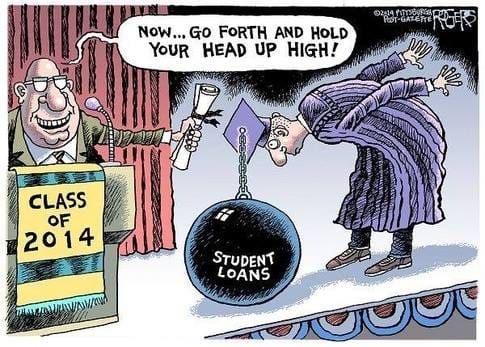
Self-funding your education abroad is no easy task. For most Indian students, education loans become the bridge between their dream college and reality. The good news? If planned strategically, loans can help you manage your finances effectively without burdening your family.
Let’s break it down step by step.
Choose the Best Education Loan Partners
When it comes to education loans, it’s crucial to do your research. Compare options based on processing fees, loan amounts, and tenure. Here’s a quick guide to help you get started:
Bank Name | Processing Fees | Loan Amount (INR) | Loan Tenure |
Credila | 1.0% – 2% | Up To 1.5Cr | Up to 15 Years |
InCred | 0.75% – 2% | Up To 1Cr | Up to 15 Years |
Prodigy Finance | 5.0% – Nil | Up To 10Cr | Up to 20 Years |
MPower Financing | 5.0% – Nil | Up To 1Cr | Up to 10 Years |
Auxilo | 1% – 2% | Up To 3Cr | Up to 15 Years |
ICICI | 0.5% – 1% | Up To 2Cr | Up to 15 Years |
Avanse | 1.1% – 2% | Up To 2Cr | Up to 15 Years |
Axis Bank | 0.5% – 1% | Up To 10Cr | Up to 15 Years |
Credence | 1.0% – 1.5% | Up To 1Cr | Up to 12 Years |
Bank of Baroda | ₹12K – NA | Up To 1Cr | Up to 15 Years |
Key Tips for Education Loan Selection:
- Interest Rates: Compare rates from nationalized banks, private banks, and NBFCs. Public banks often offer lower interest rates with longer repayment periods.
- Processing Fees: Look for loans with minimal processing fees. Every rupee saved here counts.
- Tenure: Longer loan tenures may ease repayment pressure but can increase the total interest you pay.
Forex Accounts: If your education loan involves currency conversion, explore forex accounts for better exchange rates. Banks like SBI and HDFC offer forex solutions tailored for students.
Future Financial Plans
- Self-Funding: If you plan to invest in a business or property later, draining savings for education might affect those plans.
Loans: Structured repayments allow you to retain liquidity for future investments.
Conclusion & Some Real Stories…
Self-funding your education abroad might seem overwhelming, but trust me, it’s completely achievable. With the right mix of budgeting, part-time work, financial planning, and a little creativity, you can turn this challenge into an opportunity. The key is to be proactive—research your options, prepare ahead, and stay committed.
Take Prakhar Pare, for example. Prakhar is an undergrad finance student at Drexel University, known for its CoOp program that allows students to work while studying. Back in 2023, he also won the prestigious Next Genius Scholarship for Ithaca College, a full-ride scholarship that changed his trajectory. If you want to hear his inspiring story, check out his YouTube channel for tips on navigating scholarships, college applications, and self-funding strategies.
And remember, you’re not alone in this journey. Our AFBF community has students who’ve been exactly where you are. Whether it’s sharing budgeting tips, part-time work advice, or scholarship hacks, we’ve got your back.
If you’re looking for more insights into scholarships, check out our blogs:

Common FAQs About Self-Funding Undergrad Education
What is the average cost of studying in the USA for Indian students?
The average cost includes tuition fees of $20,000 to $50,000 per year, while living expenses add around $12,000–$15,000 annually. Public universities are more affordable than private ones. But please improve your student profile and try to get into good colleges. That will help you in getting the better aid packages.
Can Indian students work part-time to self-fund their studies?
Yes! International students can work on-campus jobs for up to 20 hours per week. Programs like OPT and CPT allow off-campus work related to your field of study. Definitely taking an education loan lightens the burden at first.
How can I reduce costs while studying abroad?
You can reduce costs by starting at community colleges, applying for merit-based scholarships, choosing affordable states for living, and budgeting effectively using apps like Mint or Splitwise.
Are education loans a good option for self-funding?
Yes, education loans bridge financial gaps effectively. Choose loans with low-interest rates and longer repayment tenures to make repayment manageable post-graduation.
What is self-funding for students?
Self-funding means financing your own education abroad through savings, part-time work, or loans without relying entirely on financial aid or full scholarships.
Can I study abroad without money?
Yes, it’s possible. Apply for full scholarships like the Next Genius Scholarship or study in tuition-free countries like Germany or Norway. Loans are also a practical option.
Is self-funding a good option for studying abroad?
Self-funding gives you control over your education finances and makes you independent. With scholarships, part-time work, and strategic planning, it can be manageable and rewarding.
Can I take a personal loan to study abroad?
Yes, personal loans are an option, but education loans offer better interest rates and longer repayment terms. Compare loan options to choose what works best for you.
What are the benefits of self-funding my education?
Self-funding builds financial independence, teaches responsibility, and gives you flexibility. You’re not tied to strict aid requirements and can balance loans, work, and savings.
Which is the cheapest country to study in?
Countries like Germany, Norway, and Hungary offer free or low-cost education for international students, making them excellent alternatives to high-cost destinations like the USA.
Can I get a 100% loan to study abroad?
Yes, some banks and NBFCs offer 100% education loans covering tuition, living expenses, and other costs. Look for lenders offering competitive interest rates and flexible repayment plans.
How much money is required to study abroad?
The total cost depends on the country and university. For the USA, expect around ₹50–₹80 lakhs for a 4-year undergraduate program, including tuition and living expenses.
What is self-funded tuition fees?
Self-funded tuition fees are paid by students using their own money, savings, or loans, as opposed to scholarships, grants, or financial aid.
Can I study abroad if I’m poor?
Yes, you can. Focus on full-ride scholarships, affordable study destinations, and education loans. Countries like Germany offer tuition-free education for international students.
Which country offers free education for international students?
Germany and Norway offer tuition-free education at public universities, even for international students. You only need to budget for living expenses.
If you’re looking for practical guidance on self-funding, scholarships, or planning your study-abroad dream, join the AFBF community—India’s largest and most supportive study-abroad community. It’s free to join guys. We’re here to help you every step of the way!
Click on the link below and fill up the Google Form, it will take you 2-3 mins. And we will reach out to help you with your study abroad dreams. Don't worry, it's free & there are no hidden charges.
AFBF Join Us Form